
Energy infrastructure safety is not only about alarms, control rooms, SCADA systems or security software.
In many real projects, the first layer of useful information comes from the camera side: a low-light visible image, a thermal image, or both.
For energy companies, OEMs, system integrators, monitoring gateway builders, edge AI hardware teams and rugged equipment manufacturers, STARVIS and thermal camera modules can provide a practical visibility layer for harsh energy environments.
This includes substations, transformers, pipeline stations, compressor stations, pump rooms, electrical cabinets, wind turbine nacelles, solar inverter stations, battery storage systems, remote cabinets, offshore support platforms, service vehicles and unmanned monitoring nodes.
Goobuy does not provide a complete energy safety platform, SCADA system, certified explosion-proof system or full site security solution.
Goobuy provides camera-side modules and rugged camera hardware directions that can be integrated into the customer’s own host device, NVR, DVR, edge AI box, monitoring gateway, industrial PC, vehicle platform, remote cabinet or OEM equipment.
| Energy Infrastructure Need | Better Camera Direction | Why |
|---|---|---|
| Low-light visible monitoring | STARVIS camera | Shows scene context, equipment shape, labels, vehicles and operators |
| Transformer hot-spot awareness | Thermal camera module | Shows heat patterns and abnormal thermal areas |
| Electrical cabinet monitoring | Radiometric thermal module | Helps observe component heat and temperature-related changes |
| Pipeline station night visibility | STARVIS or dual-spectrum | STARVIS for visual detail; thermal for heat or low visibility |
| Compressor station monitoring | Thermal or dual-spectrum | Thermal for heat; visible camera for scene context |
| Wind turbine nacelle equipment monitoring | Thermal module | Useful for heat-aware monitoring inside compact enclosed spaces |
| Solar inverter or battery storage monitoring | Thermal module | Helps monitor power electronics and battery-related heat |
| Remote cabinet or off-grid site | STARVIS + thermal depending on task | Visible context plus heat-aware information may both matter |
| Energy service vehicle or mobile platform | Dual-spectrum camera | Combines low-light visible view and thermal awareness |
| Harsh weather, dust, fog or smoke | Thermal or dual-spectrum | Thermal does not depend on visible light |
| Washdown, rain or exposed outdoor equipment | IP67/IP69K rugged camera direction | Requires enclosure, sealing, cable and connector protection |
| Edge AI energy monitoring | USB / H.264 / thermal module | Depends on host, analytics and bandwidth requirement |
A STARVIS camera module for energy infrastructure is a low-light visible imaging component that helps monitoring systems see equipment, scene context, labels, vehicles and operators when lighting is poor but some visible or IR light is available.
A thermal camera module for energy infrastructure is an infrared imaging core that helps monitoring systems see heat patterns, hot spots, overheating risk, thermal contrast and temperature-related visual information around transformers, electrical cabinets, power electronics, compressor stations, pump rooms and remote energy assets.
A dual-spectrum energy monitoring camera combines visible imaging and thermal imaging so harsh-site equipment can see both scene context and heat-aware information.
Energy infrastructure often works in harsh conditions:
In these environments, a normal visible camera may not be enough. A thermal camera alone may also not be enough.
The correct camera layer depends on the question the system must answer.
If the system must know what object is present, STARVIS visible imaging is useful.
If the system must know where heat is building up, thermal imaging is useful.
If the system needs both visible context and heat awareness, dual-spectrum vision may be the better direction.
This page is written for:
The best-fit buyer already has:
This page is not for consumer security cameras, handheld thermal imagers, hobby cameras, weapon systems, tactical payloads, complete SCADA platforms or turnkey site-level energy security systems.
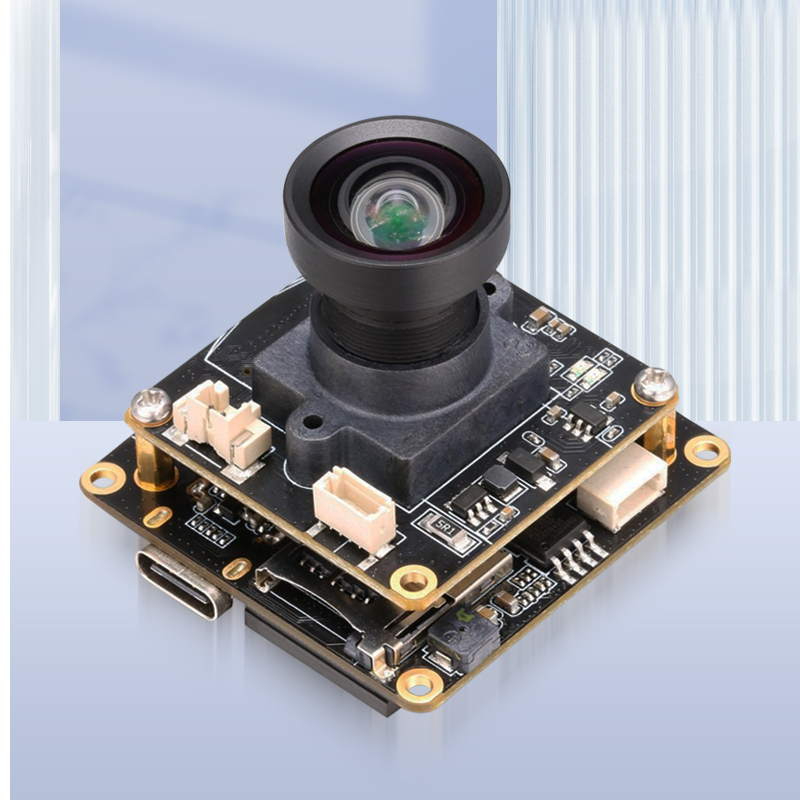
Substations and transformer yards are high-value energy infrastructure sites where visual and thermal information can both be useful.
STARVIS cameras can help provide low-light visible monitoring of:
Thermal camera modules can help provide heat-aware visibility around:
For compact thermal data integration, Goobuy provides:
21×21mm USB-C Radiometric Thermal Camera Module with SDK
This direction is suitable when the customer’s host system needs thermal data, software-side monitoring, edge AI input, temperature-related records or compact OEM integration.
For higher-detail thermal observation, Goobuy provides:
1280×1024 HD Micro USB Thermal Module for Industrial OEMs
This direction is more suitable when the target is smaller, farther away or when thermal image quality is a key requirement.
Pipeline stations and compressor stations can include motors, pumps, valves, compressor equipment, pipe sections, electrical rooms and outdoor service areas.
STARVIS cameras are useful when the system needs:
Thermal modules are useful when the system needs:
For mobile service platforms or harsh-site vehicle systems, visible + thermal may be more practical than a single camera direction.
Goobuy provides a dual-spectrum direction here:
Custom Dual Spectrum Vision Platform for Harsh-Site Vehicles and Energy Platforms
Dual-spectrum is useful when the energy service platform needs both visible context and thermal awareness.
Electrical cabinets, remote control cabinets, inverter cabinets and power distribution boxes are some of the most practical places to use thermal camera modules.
A visible camera can show:
A thermal camera can show:
For many energy monitoring systems, the most valuable camera-side layer is not a beautiful visible image. It is a thermal view that helps the host system observe temperature-related risk.
For compact electrical cabinet integration, start with:
21×21mm USB-C Radiometric Thermal Camera Module
Before selecting the module, define the cabinet size, working distance, field of view, temperature data requirement, host platform, enclosure window, installation position and maintenance process.
Wind farms, solar farms and battery storage systems often operate in remote areas with wind, rain, dust, salt air, heat, cold, vibration and difficult service access.
For wind turbine nacelles, thermal imaging may be used as a camera-side visibility layer around:
STARVIS visible cameras may support:
For solar and battery energy storage systems, thermal modules may help observe heat patterns around:
The final monitoring value depends on the customer’s software, alarm logic, installation position, enclosure design and maintenance procedure. A camera module does not replace engineering inspection or certified safety procedures.
Oil and gas energy sites may include refineries, pipeline stations, compressor stations, pump rooms, service vehicles, storage areas, remote assets and harsh outdoor platforms.
Thermal imaging is useful when the system must observe heat patterns, hot spots or temperature-related information.
STARVIS is useful when the system must recognize visible details in low-light areas.
Dual-spectrum is useful when an oilfield vehicle, refinery support platform, compressor station monitoring system or mobile inspection unit needs both visible context and thermal contrast.
For oil and gas harsh-site monitoring, customers should clearly define:
Important boundary: Goobuy camera modules are not complete ATEX-certified or IECEx-certified explosion-proof camera systems unless the complete enclosure and certification path are handled in the customer’s full project.
Goobuy can discuss camera modules, thermal cores, STARVIS cameras, dual-spectrum layouts, interface paths, cables and sample validation. The final hazardous-area system must be engineered and certified at the complete system level.
Energy infrastructure often sits outdoors for years.
Outdoor utility sites may face:
In these conditions, the camera module alone is not enough. The full design must consider:
For rugged outdoor AI platforms where USB H.264 video and stronger protection are needed, Goobuy provides:
Rugged IP69K H.264 USB Camera with LEDs for AI Platforms
This direction is relevant when the customer already has an AI platform or host device and needs a more rugged camera head for harsh, wet or dirty environments.
Energy companies often use vehicles and mobile platforms for inspection, maintenance and remote site operation.
These platforms may operate in:
For vehicle-based energy monitoring, dual-spectrum vision can be useful because conditions change quickly.
A visible camera helps show:
A thermal camera helps show:
For service vehicles and harsh mobile energy platforms, a custom rugged camera direction may be needed:
Custom Rugged Camera Modules for Harsh Sites
Although this direction is often discussed for mining and harsh industrial sites, the same engineering logic also applies to energy service vehicles: vibration, cable protection, enclosure, lens, field of view, interface and long-duty operation matter more than a simple sensor name.
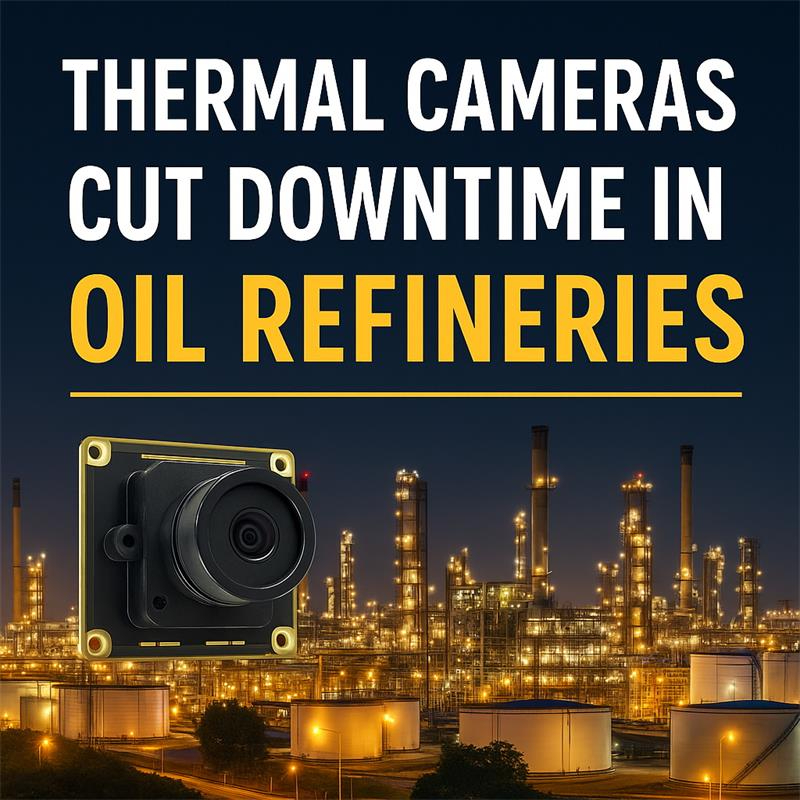
Energy harsh-site monitoring requirements exist across many regions.
U.S. energy projects may focus on oil and gas facilities, substations, battery storage, solar farms, utility vehicles, industrial service platforms, port-related energy infrastructure and edge AI monitoring.
Cold weather, remote assets, pipelines, utility infrastructure and winter operation make low-temperature performance, anti-fog design, rugged enclosures and thermal visibility important.
European energy infrastructure projects often emphasize wind energy, substations, grid reliability, remote cabinet monitoring, industrial safety documentation, and careful engineering validation.
Refineries, petrochemical plants, oilfield vehicles, compressor stations, outdoor heat, dust and remote energy assets create strong demand for harsh-site thermal and dual-spectrum camera directions.
Cold regions, remote oil and gas sites, pipeline areas, mining-energy overlap, vehicle platforms and harsh outdoor infrastructure may require rugged STARVIS, thermal or dual-spectrum camera modules.
Oil and gas, energy infrastructure, hydroelectric facilities, ports, substations, service vehicles and practical integration needs may drive demand for cost-effective rugged camera platforms.
Humidity, rain, tropical heat, coastal energy sites, ports, refineries, power cabinets and remote infrastructure make compact thermal and rugged camera integration relevant.
Across all regions, Goobuy focuses on camera-side modules and rugged camera hardware, not complete energy security platforms.
Recommended STARVIS direction:
Goobuy UC-535-2MP Housed Sony IMX385 STARVIS Low-Light USB Camera
For higher-resolution fixed-FOV visible imaging:
Goobuy IMX585 USB3 CS-Lens Box Camera with Sony 4K STARVIS2
Recommended compact thermal direction:
21×21mm USB-C Radiometric Thermal Camera Module with SDK
Recommended high-detail thermal direction:
1280×1024 HD Micro USB Thermal Module for Industrial OEMs
Recommended analog thermal viewing direction:
640×512 Ultra-Wide Micro CVBS Thermal Core with 90.3° HFOV
Recommended rugged direction:
Rugged IP69K H.264 USB Camera with LEDs for AI Platforms
Recommended dual-spectrum direction:
Custom Dual Spectrum Vision Platform for Harsh-Site Vehicles and Energy Platforms
This boundary is important for serious energy infrastructure buyers.

Before asking for a recommendation, define:
With this information, Goobuy can help decide whether the project should start from STARVIS, thermal, rugged IP69K or dual-spectrum camera direction.
An energy monitoring system should use STARVIS when the main requirement is low-light visible detail, such as equipment shape, labels, gauges, service vehicles, personnel movement, panel condition or scene context. STARVIS is a visible imaging layer; it helps the operator or AI system understand what is in the scene when lighting is weak but still present.
An energy monitoring system should use thermal imaging when the main requirement is heat-aware visibility, such as transformer hot spots, electrical cabinet overheating, pump or motor heat, inverter temperature patterns, battery system thermal imbalance or low-visibility monitoring in darkness, fog, smoke or dust. Thermal imaging answers where heat is present, not what color or label an object has.
Substations and transformers may need both. STARVIS helps provide visible scene context around equipment, gates, vehicles, service activity and general site condition. Thermal imaging helps observe heat patterns around transformers, connectors, switchgear and power equipment. Dual-sensor or combined system design is useful when the monitoring platform needs both visual confirmation and thermal awareness.
Thermal imaging is usually the primary direction for electrical cabinet monitoring because the main risk is often heat-related. A radiometric thermal module can help observe hot terminals, overloaded components, power electronics heat and uneven thermal patterns. A STARVIS camera may be added if the system also needs visible confirmation of labels, indicator lights or switch positions.
Wind turbine nacelle monitoring may use thermal imaging for heat-aware monitoring of electrical cabinets, power electronics, gearbox peripheral areas and enclosed equipment zones. STARVIS can be useful for low-light visible inspection and service documentation. The final camera direction depends on host system, available space, vibration, temperature range, field of view and whether temperature data is required.
Pipeline stations and compressor stations may use STARVIS for low-light visible scene monitoring, thermal imaging for equipment heat awareness, and dual-spectrum vision when both visible context and thermal contrast are needed. The correct direction depends on whether the target is a person, vehicle, label, pump, motor, compressor, valve, pipe section or electrical cabinet.
Goobuy provides camera-side modules and hardware interfaces such as USB, USB3, CVBS, AHD, H.264, PoE or other platform directions depending on project requirements. Direct SCADA integration depends on the customer’s gateway, software, video server, protocol converter or monitoring architecture. Goobuy does not provide a complete SCADA platform.
No, not by default. Goobuy provides camera modules and configurable camera hardware directions. If the final installation requires ATEX, IECEx, explosion-proof housing, intrinsically safe design or hazardous-area approval, the complete enclosure, power design, cable glands, installation and certification path must be handled by the customer, system integrator or certification partner.
A utility or energy OEM should provide the application, target equipment, working distance, field of view, host device, interface, low-light requirement, thermal data requirement, indoor/outdoor environment, temperature range, dust/rain/salt/vibration exposure, enclosure plan, sample schedule, pilot quantity and any certification requirement. This information allows a practical recommendation instead of a generic camera suggestion.
Goobuy is a fit when the customer needs camera-side STARVIS, thermal, rugged or dual-spectrum hardware for an existing host, gateway, NVR, edge AI box, vehicle platform or OEM monitoring device. Goobuy is not the right supplier if the customer needs a complete turnkey energy safety platform, certified site security system, SCADA software, final hazardous-area certification or guaranteed safety outcome from the camera alone.
This article is updated in June 23th, 2026 by shenzhen novel electronics limited
Follow Me
Address:A615, 6F, Huachuangda Building, No107 Xinghua 1st Road, 43 District, Xinan street, Baoan, shenzhen, China 518101